

Brake Service FAQs
According to the Department of Transportation, there are more than 3.8 million drivers in Alabama, and only a small percentage of licensees understand the mechanics behind their brake systems. Whether you want to know how often your pads need to be changed or if you should have your fluid replaced, you need an expert opinion. So, here are the answers to the most popular brake service FAQ by our certified technicians at Woody Anderson Ford.
What Components Make Up The Brake System?
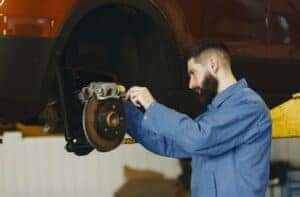
Brakes are a complex system that provides your vehicle with stopping power. When you press the pedal, all of these parts work seamlessly together to bring the car safely to a halt. When you hit the brakes, the following components go into action:
Hydraulic fluid: This substance is sent through the lines into the system, activating the calipers.
Calipers: This part uses the brake fluid to create the pressure needed to trigger the pads.
Pads: This component presses against your rotors, creating friction to stop your car.
Rotors: These large discs spin with the wheel and, with friction from the pads, stop them from turning.
What’s Included In A Brake Inspection?
Cars have intricate brake systems that must function properly to stop your vehicle safely. A periodic brake inspection will focus on each vital component of your Ford’s brake system. If the examination reveals an issue, our dealership has the parts and experience necessary to bring your brakes back to the manufacturer’s standards. Check online for coupons to help you save a few dollars, including Woody Anderson Ford’s discounts on Motorcraft brake service. A qualified mechanic will check the following components during a traditional brake inspection:
Pads and shoes.
Calipers.
Rotors and drums.
Wheel cylinders.
Hardware and hoses.
Parking brake cables.
Brake fluid levels and condition.
Wheel bearings and grease seals.
Master cylinder fluid exchange.
How Often Should My Brakes Be Inspected?
Brakes are a mechanical system with no specific maintenance schedule, as it’s based on your driving style. That means the more you drive, the quicker your brakes will wear out. However, it’s a good idea to have an inspection at every oil change or at least every 10,000 miles. You can also check your owners manual for a breakdown of recommended intervals, so it’s always better to start there for more information.
While brake pads can sometimes last up to 50,000 miles, you don’t want to risk your car’s stopping power, and early detection is vital to maintaining their performance. Hiring a Ford-certified mobile service technician is a convenient way to have your brakes routinely inspected, especially if you notice signs of a problem and don’t feel comfortable driving your vehicle around North Alabama. A check-up will also allow your technician to spot minor system repairs that could help prevent a costly overhaul.
Common Signs That Require Brake Service
Auto parts manufacturers designed your Ford’s brake system to provide plenty of warning that something’s amiss. It’s essential to know the common signs of wear to get your vehicle into the shop as soon as possible. But don’t delay if you notice any of the following:
The Pedal Feels Different
Any changes in your brake pedal’s resistance could signal an issue. If it takes less pressure or the pedal moves easier than usual, your vehicle may be leaking fluid, or there could be air or moisture in the system. Likewise, if the pedal goes all the way to the floor, have a break specialist check your master cylinder for issues.
Longer Stopping Distances
Another sign that your car needs a brake inspection is when it takes longer to stop it. This symptom could mean your brakes aren’t generating enough force. This system relies on hydraulic pressure to bring your car to a halt, and air in the lines, low brake fluid, or damaged hoses can throw off this balance.
Abnormal Sounds
Abnormal sounds, such as squeaking, grinding, or thudding, are sure signs that something is going on with your brake system. The noise could be coming from your pad’s wear indicators. When these bits of metal come in contact with the rotor, they make a high-pitched scraping noise. This manufacturer’s design tells you that your brake pads are ready to be replaced.
Leaking Fluid
Brake fluid is yellowish-brown, and if you have a small puddle underneath your car or near the wheels, you could have a leak. This scenario is a big concern because this component creates pressure against the calipers each time you apply your brakes. If your car has low or no brake fluid, you won’t be able to stop it safely.
Wobbling And Vibrations
If your car vibrates when you press the brake pedal, it could indicate that your rotors are wearing unevenly. Braking friction wears down these metal discs over time, and if left unattended, the material’s structure weakens. We recommend resurfacing your rotors periodically to make them smooth and to correct flaws. However, if you wait too long, you may need to replace them.
Drifting Right Or Left
If your vehicle drifts to one side when you slow down, you may have one set of brakes pulling more than the other. This is more noticeable with front brakes than in the rear and can be a sign of several issues, such as a bad brake hose or faulty caliper. The best way to determine what’s wrong is to have your brakes serviced.
You don’t want to wait too long, or you could damage the entire system and risk an accident. When one component is worn out, it can affect the other parts. For example, if your brake pads wear past their design point, metal-on-metal grinding generates enough heat to warp and crack your rotor, making it harder to slow down your vehicle. Don’t risk the safety of you or your passengers. Get a complimentary brake inspection and prevent common brake system issues.
Do You Have Questions About Brake Service?
If you still have questions about your brakes, contact our service department. It’s easy to schedule an appointment. Now that you have answers to the common brake service FAQ take the next steps. Don’t risk driving your car with worn brakes. Regular system maintenance will extend each component’s life and ensure your safety on the go. So, contact us today for an appointment.
Man in Blue Uniform Fixing the Car’s Brake System by Gustavo Fring is licensed with Pexels License
0 comment(s) so far on Brake Service FAQs